Why Stamp Collecting Isn’t Just a Hobby—It’s a Mindset Shift
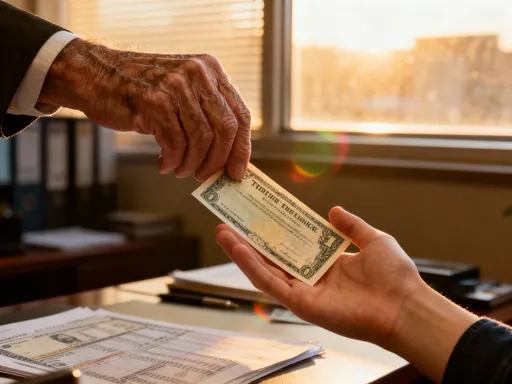
What if the key to smarter investing isn’t found in stock charts, but in a dusty stamp album? I used to think stamp collecting was just for retirees—until I saw how it reshaped my approach to value, patience, and risk. Unlike volatile markets, rare stamps grow quietly, demanding research and discipline. This isn’t about quick profits; it’s about cultivating an investor’s mindset through something tangible, timeless, and often overlooked. It teaches you to see beyond price tags and recognize the deeper forces that drive long-term appreciation: scarcity, history, authenticity, and care. In a world of digital noise and instant gratification, stamp collecting offers a rare counterbalance—a way to invest with intention, not impulse.
The Hidden Investment World of Stamp Collecting
Stamp collecting, often dismissed as a nostalgic pastime, operates as a legitimate alternative asset class. Unlike mainstream investments such as stocks or mutual funds, philately— the study and collection of postage stamps—thrives on scarcity, historical significance, and condition sensitivity. Rare stamps appreciate over decades, not days, making them immune to short-term market noise and emotional trading cycles. Collectors do not chase headlines or react to quarterly earnings; instead, they study issuance histories, printing errors, watermark variations, and postal provenance. This slow, detail-oriented process mirrors core principles of value investing, where patience and knowledge consistently outweigh speculation and hype.
The global stamp market is far more active than many realize. According to industry reports, high-grade rare stamps have delivered consistent long-term returns, with some key issues appreciating at compound annual rates exceeding 8% over the past 50 years—comparable to broad equity market performance, but with far less volatility. For example, the British Guiana 1c magenta, one of the rarest stamps in the world, sold for $9.5 million in 2014, having changed hands multiple times at steadily increasing prices since its first recorded sale in 1878. While such extremes are exceptional, they illustrate the potential of rare stamps as stores of value. More commonly, well-preserved classic issues from countries like Switzerland, Sweden, or the United States steadily increase in worth as supply diminishes and serious collectors compete for top-condition pieces.
What sets stamp collecting apart from other alternative investments like art or wine is its relatively transparent pricing framework. Major catalogues such as Stanley Gibbons, Scott, and Michel provide standardized valuations based on factors like color, gum condition, perforation, and centering. These references allow collectors to benchmark prices and assess fairness before buying or selling. While not all stamps become valuable, those with limited original print runs, unique errors, or historical importance—such as the first airmail stamps or early colonial issues—often stand the test of time. This predictability, grounded in verifiable data rather than fleeting trends, fosters a mindset of informed decision-making, which is essential for any successful investor.
How Stamps Build Long-Term Value
The value of a stamp is not arbitrary; it is rooted in objective, measurable factors: rarity, demand, authenticity, and preservation. A well-kept mint stamp from a limited run can double in worth over 20 years—not because of market speculation, but due to dwindling supply and rising collector interest over time. Unlike digital assets or speculative stocks, physical stamps offer tangibility—a psychological anchor that reinforces long-term holding. Holding a rare stamp in your hand creates a connection to history and craftsmanship, making it harder to treat as a disposable financial instrument. This emotional and physical bond supports discipline, reducing the temptation to sell during temporary downturns or market distractions.
One of the most powerful drivers of long-term appreciation is condition. A stamp in mint, never-hinged condition with full original gum and perfect centering can be worth many times more than the same stamp with minor flaws. For instance, a 1918 U.S. Inverted Jenny, featuring an upside-down Curtiss JN-4 airplane, recently sold at auction for over $1.3 million. While the design error contributes to its fame, the stamp’s exceptional preservation played a crucial role in its valuation. This emphasis on quality over quantity teaches a vital financial lesson: excellence in execution and care can dramatically amplify value. Investors who learn this through philately often apply it elsewhere, seeking out high-quality businesses or well-maintained real estate rather than chasing cheap or trendy options.
Moreover, stamp appreciation is rarely linear. It unfolds quietly, often without media attention or public awareness. A stamp purchased for a few hundred dollars in the 1990s might now be worth several thousand, not because it was hyped, but because it was preserved and recognized by a growing community of specialists. This gradual growth fosters a mindset focused on sustainability over speed. It encourages investors to measure success not by quarterly statements, but by decades of careful stewardship. In this way, stamp collecting becomes less about profit and more about the cultivation of patience, attention, and respect for enduring value—qualities that serve any investor well, regardless of their portfolio composition.
Risk Control Through Knowledge, Not Diversification
In traditional finance, risk is typically managed by spreading investments across different asset classes—a strategy known as diversification. While this approach reduces exposure to any single market shock, it does not eliminate the risk of poor decision-making within individual holdings. In contrast, stamp investing controls risk not through breadth, but through depth. The real danger in philately is not market volatility; it is buying forgeries, overpaying due to ignorance, or failing to store stamps properly. Experts mitigate these risks not by owning many different types of stamps, but by mastering the details of a specific area—be it 19th-century British Empire issues or early American commemoratives.
Protection in stamp collecting comes from expertise, not algorithms or automated trading systems. Serious collectors learn grading standards set by organizations like the Philatelic Foundation or the American Philatelic Society. They study watermark detection tools, use UV light to identify repairs, and rely on expertization certificates to verify authenticity. For example, a forged cancel or a regummed stamp can look convincing to an untrained eye but are easily spotted by those familiar with printing techniques and paper types. By investing time in education, collectors reduce their vulnerability to fraud and mispricing—a form of risk management that is proactive rather than reactive.
This model stands in stark contrast to passive investing, where individuals often rely on fund managers or index trackers without fully understanding what they own. In stamp collecting, every purchase requires due diligence. You must know the difference between a rare printing variety and a common one, understand the impact of light toning or hinge remnants, and track auction records to determine fair market value. This level of engagement builds confidence and control. The lesson is clear: true financial safety lies not in how many things you own, but in how well you understand what you own. This principle extends far beyond stamps—it applies equally to evaluating stocks, bonds, or real estate investments.
The Psychology of Patience in a Fast-Moving Market
Modern investing glorifies speed. Day trading, cryptocurrency pumps, and meme stock surges dominate headlines, creating the illusion that wealth is built in moments. This environment fuels impulsive behavior, where fear of missing out (FOMO) drives decisions more than analysis. Stamp collecting, by its very nature, forces the opposite mindset: delayed gratification. Gains emerge over years, sometimes generations. A stamp bought in the 1970s for $50 might now be worth $500—but only if it was stored properly and held with discipline. This long horizon trains investors to resist emotional reactions, avoiding the panic selling and speculative buying that erode wealth in volatile markets.
Holding a rare stamp means trusting time, not trends. It means resisting the urge to sell after a small price increase or abandoning a collection during a market lull. This kind of patience is not passive; it is an active choice to prioritize long-term outcomes over short-term excitement. Studies in behavioral finance show that most investors underperform the market not because they lack access to information, but because they act on emotion—selling low after panic and buying high after hype. Stamp collectors, by contrast, develop emotional resilience. They learn to view price fluctuations as temporary, focusing instead on the intrinsic qualities that make a stamp valuable: its rarity, condition, and historical context.
Moreover, the physical nature of stamps reinforces this mindset. Unlike digital portfolios that can be checked and traded with a few taps, stamps require deliberate action to buy, sell, or appraise. This friction reduces impulsivity. You cannot “refresh” a stamp’s value on your phone; you must consult catalogues, attend auctions, or seek expert opinions. These steps create space for reflection, allowing time to override emotion. Over decades, this habit of thoughtful engagement becomes second nature. Investors who cultivate patience through philately often find it easier to stick with sound financial plans, even when markets turn turbulent. They understand that real value grows in silence, not in headlines.
Practical Steps to Start Smart
Entering philately does not require deep pockets or decades of experience—it requires starting with purpose. Beginners should avoid the temptation to buy the most expensive or famous stamp they can afford. Instead, they should focus on building a thematic or geographic collection that aligns with their interests. Themes like aviation, royalty, wildlife, or space exploration provide structure and motivation, making research more engaging and purchases more intentional. A focused collection is easier to manage, study, and eventually sell, should the need arise.
The first step is education. New collectors should familiarize themselves with standard catalogues like Stanley Gibbons for British Commonwealth stamps or the Scott catalogue for U.S. issues. These references provide not only valuations but also historical context, printing details, and identification tips. Joining a local or national stamp club—such as the American Philatelic Society—offers access to mentorship, auctions, and networking opportunities. These communities are invaluable for learning best practices and avoiding common pitfalls.
When purchasing stamps, it is essential to buy from reputable dealers who offer guarantees of authenticity and condition. Auction houses like Spink, David Feldman, or Siegel Auction Galleries provide detailed descriptions and expert verification. For lower-cost items, specialized online marketplaces with buyer protection can be suitable, but caution is always advised. Beginners should start with affordable, high-quality examples—such as mint commemoratives in original packaging—rather than chasing rare classics beyond their budget.
Proper storage is equally important. Stamps should be kept in acid-free albums or stockbooks, away from direct sunlight, humidity, and extreme temperatures. Using stamp tongs—not fingers—prevents oil transfer and damage. Over time, maintaining a collection log with purchase dates, prices, and condition notes helps track progress and supports future appraisals. Starting small, learning continuously, and prioritizing condition over cost sets the foundation for a rewarding and potentially valuable hobby that doubles as a financial education.
When Passion Meets Profit—And When It Doesn’t
Not every stamp collection becomes a financial success story. Emotional attachment can cloud judgment, leading collectors to overvalue items that hold personal significance but limited market appeal. A stamp saved from a childhood letter or inherited from a relative may be cherished, but it may not command a high price at auction. The professional mindset separates sentiment from strategy—knowing when to hold for long-term growth, when to sell for profit, and when a stamp is merely decorative. This balance is crucial for maintaining financial realism while still enjoying the joy of collecting.
Exit strategies matter. Selling a stamp at the right time can lock in gains, while holding too long may expose the owner to market shifts or changing collector preferences. Auction timing, for instance, can significantly impact results. Major philatelic events often attract more bidders, increasing competition and prices. Conversely, selling during a market downturn or in a niche with declining interest may yield disappointing returns. Therefore, understanding market cycles and collector demographics is part of the investment discipline.
Objective appraisal is essential. Before selling, collectors should obtain evaluations from certified experts or compare recent auction results for similar items. This prevents underpricing or overestimating value. Some collectors choose to insure their holdings, especially for high-value pieces, to protect against loss or damage. Insurance providers often require professional appraisals, reinforcing the need for accurate, up-to-date valuations.
The key lesson is this: passion fuels the journey, but strategy determines the outcome. When love for the craft is paired with disciplined decision-making, stamp collecting can yield both personal fulfillment and financial reward. But when emotion overrides analysis, even the most beautiful collection may fail to deliver value. Learning to distinguish between the two is one of the most valuable skills an investor can develop—one that applies far beyond the stamp album.
The Bigger Picture: Lessons Beyond the Stamp Album
Stamp investing is not about replacing stocks, bonds, or retirement accounts. It is about reshaping how you think about value, risk, and time. The habits formed through philately—research, verification, patience, attention to detail—transfer directly to other areas of personal finance. Whether evaluating a business, reviewing an insurance policy, or considering a home purchase, the stamp collector’s mindset asks essential questions: What makes this rare? Who values it? Is it authentic? Is it well-preserved? These are not just philatelic inquiries; they are fundamental principles of sound investing.
Consider the process of identifying a rare printing variety. It requires comparing colors, measuring perforations, and consulting historical records. This same analytical rigor can help an investor spot accounting irregularities in a company’s financial statements or recognize overvaluation in a housing market. The ability to slow down, observe closely, and verify claims is increasingly rare in a world of instant information and algorithmic trading. Stamp collecting cultivates that ability naturally, through hands-on engagement with physical objects that demand respect and care.
Moreover, the long-term perspective of philately fosters financial resilience. In an era of economic uncertainty and market swings, holding an asset that does not react to daily news cycles can be grounding. It reminds investors that value is not always liquid or immediate. Sometimes, the best investments are those that grow quietly, unnoticed by the crowd, until their worth becomes undeniable. This mindset encourages confidence in long-term plans, reduces reactive decision-making, and promotes a healthier relationship with money.
Ultimately, stamp collecting offers more than potential returns. It offers a framework for thinking—structured, patient, and grounded in reality. It teaches that true wealth is not measured in quick wins, but in sustained effort, careful choices, and the wisdom to wait. These are lessons that benefit anyone, regardless of their net worth or investment experience.
Stamp collecting does not promise overnight wealth. But it offers something more valuable—an investment mindset rooted in patience, precision, and long-term vision. In a world obsessed with quick wins, it reminds us that true value often grows in silence. It teaches us to look closer, think deeper, and wait longer. Whether or not a stamp ever sells for thousands of dollars, the discipline it instills is priceless. And in the end, that may be the greatest return of all.