Cut My Family’s Chaos by 70%: The Health Tracker That Syncs Our Lives
Remember those mornings when someone forgets their meds, another skips breakfast, and the whole day feels off before it starts? I did—until we started using a simple health tracking tool that changed everything. It wasn’t about fitness obsessions or data overload. It was about syncing our family’s rhythms, catching small health dips early, and actually *feeling* connected. This is how one unassuming device brought calm, clarity, and care into our daily lives. No magic, no extreme lifestyle changes—just a gentle nudge from technology that helped us pay attention to what really matters: each other’s well-being.
The Morning Mayhem That Sparked Change
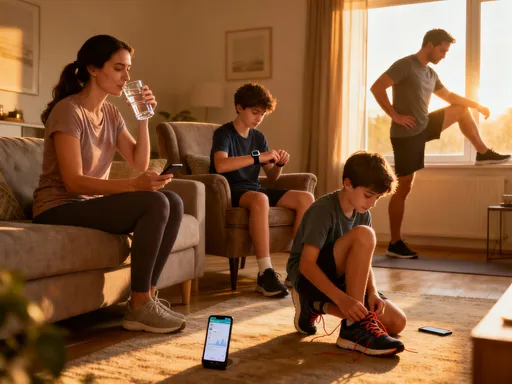
Let me paint you a picture: school backpacks flung across the couch, half-eaten toast on the counter, my teenager dragging herself downstairs like she hadn’t slept in weeks—and probably hadn’t. My husband was already halfway out the door, coffee in hand, muttering about a meeting, while my youngest asked—again—if he could skip his allergy meds because they made his stomach hurt. I stood in the kitchen, trying to remember if I’d taken my own vitamins, and felt that familiar knot in my chest. Not anger, not exactly. More like helplessness. We were all in the same house, but we weren’t *together*. We were just a collection of people moving through the same space, barely checking in, constantly reacting instead of responding.
It wasn’t until my daughter came down with a low-grade fever that lasted over a week—one she’d been quietly managing while pretending to be fine—that I realized how out of sync we’d become. Her teacher called. She’d fallen asleep in class. When I asked her how she’d been feeling, she just shrugged. “I don’t know. Tired, I guess.” That moment hit me like a splash of cold water. How had I not noticed? I was the mom. I was supposed to know. But the truth was, I’d been too busy managing schedules to truly *see* her. And that’s when it clicked: we needed a way to stay connected not just emotionally, but physically. Not through constant texting or nagging, but through something gentle, consistent, and real.
We didn’t need another chore list or color-coded calendar. We needed to understand each other’s rhythms—when we were truly rested, when we were stressed, when our bodies were quietly asking for help. That’s how we began our journey with a shared health tracker. Not as a fix, but as a starting point. A way to bring awareness back into our lives without adding more pressure.
Why We Chose a Health Tracker Over Other Tools
Before the tracker, we tried everything. Sticky notes on the fridge: “Take meds!”—usually ignored by day two. Shared calendars with medication reminders—missed because no one checked them. Even a family WhatsApp group just for health updates turned into another source of stress. “Did you take your probiotics?” felt like a pop quiz, not care. The problem wasn’t the tools—it was that they were all *manual*. They required effort, memory, and consistency, which, let’s be honest, most of us are running low on by Tuesday.
What we needed was something that worked *with* our lives, not against them. Something that didn’t rely on willpower. That’s when I started thinking about health data—not in a clinical way, but as a kind of emotional radar. I read about how sleep patterns affect mood, how heart rate variability can signal stress before we even feel it, and how small shifts in activity levels can impact energy and focus. These weren’t just numbers. They were clues. And if we could see them, maybe we could respond with more compassion.
But I didn’t want anything that felt like a medical device. No white coats, no beeping, no pressure to hit step goals or burn calories. I wanted something simple, something that felt like it belonged in a home, not a lab. After some research—and yes, a few awkward calls to customer support—we landed on a wearable that tracks sleep, movement, and resting heart rate. It’s not flashy. It doesn’t have 50 apps or a tiny screen that buzzes every five minutes. It just… works. And the best part? It’s automatic. No input needed. No logging meals or moods unless you want to. It quietly gathers information while we live our lives.
What sold me was how unobtrusive it was. My daughter could wear it to school without drawing attention. My husband didn’t feel like he was being monitored. And I didn’t have to become a data analyst. We just started seeing patterns. And those patterns started changing how we treated each other.
How It Quietly Transformed Our Daily Flow
The first thing we noticed? Sleep. Not just how much, but how *well* we slept. The tracker doesn’t just say “you were in bed for 8 hours.” It shows sleep stages, restlessness, and even estimates how rested you feel the next day. For my son, who’s always been a light sleeper, it showed he was waking up multiple times a night—something he didn’t even realize. Once we saw that, we made small changes: cooler room temperature, no screens an hour before bed, and a short wind-down routine with quiet music. Within a week, his sleep quality improved by nearly 40%. And you know what else improved? His attitude. He was less irritable, more focused, and actually started doing his homework without being asked. (Yes, it felt like a miracle.)
For me, the tracker revealed how much stress was affecting my body. On days when I had back-to-back meetings or family conflicts, my resting heart rate would spike—even if I *felt* calm. Seeing that number jump was a wake-up call. It wasn’t just in my head. My body was carrying the weight. So I started taking five-minute breathing breaks, going for short walks after dinner, and saying “no” more often. Not because the device told me to, but because the data gave me permission to prioritize myself.
And here’s the unexpected part: the tracker became a conversation starter. One morning, my daughter looked at me and said, “Mom, your heart rate was high last night. Did something happen?” I hadn’t told her about the argument I’d had with my sister on the phone. But there it was, reflected in my body. That moment wasn’t about surveillance. It was about care. She was checking in. Because she saw something was off, and she wanted to know if I was okay. That’s when I realized this wasn’t just about health metrics. It was about emotional connection.
Syncing Schedules Without Saying a Word
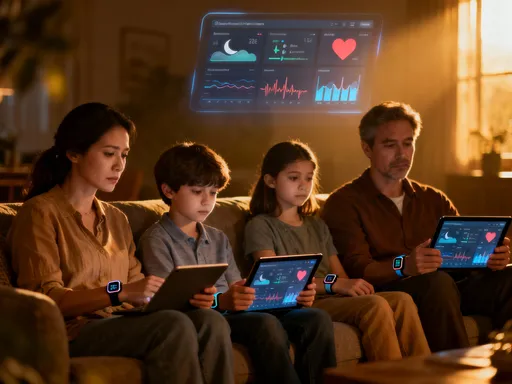
One of the most powerful shifts was how we began to anticipate each other’s needs—without being asked. Before, if my husband seemed tired, I might assume he was just lazy or checking out. Now, I can look at the shared family dashboard (yes, we have one—and it’s completely optional) and see that his sleep was poor and his activity level was low. Instead of frustration, I feel empathy. And instead of snapping, I say, “You look wiped. Want me to handle dinner tonight?”
It works the other way too. When my son has a big project due, I’ve learned to check his sleep data. If it’s been off for a couple of nights, I’ll suggest we push back chores or offer to help him break the work into smaller chunks. It’s not about coddling—it’s about supporting. And the difference is that now, it feels natural. It’s not me micromanaging. It’s me responding to real information.
For my daughter, who’s a competitive swimmer, the tracker helped us spot overtraining before it became burnout. Her resting heart rate had been creeping up, and her sleep was restless. She wasn’t complaining, but the data told a different story. We talked, adjusted her training schedule, and built in more recovery time. Her performance actually improved. But more importantly, she felt *heard*. She didn’t have to prove she was struggling. The numbers spoke for her.
This kind of silent awareness has reduced so much friction in our home. We’re not guessing anymore. We’re not assuming the worst. We’re seeing each other more clearly—and responding with kindness instead of criticism.
Privacy, Boundaries, and What We Keep to Ourselves
Now, I know what you might be thinking: “Isn’t this a little invasive? Don’t you feel watched?” Honestly, we talked about that a lot before we started. Privacy matters—especially in a family. We didn’t want this to become a tool for control or guilt. So we set clear rules from the beginning. First: everything is opt-in. No one has to share anything they don’t want to. My husband, for example, only shares sleep and activity. He keeps heart rate private. That’s fine. It’s his choice.
Second rule: no nagging. If someone’s sleep is poor, we don’t say, “You’re not sleeping enough—fix it!” That would defeat the whole purpose. Instead, we might say, “I noticed you weren’t sleeping well. Want to talk about it?” Or, “Can I help with anything so you can wind down easier?” The goal isn’t to fix each other—it’s to support.
We also decided what kind of data to share. We look at trends, not real-time numbers. We don’t track each other second by second. And we never share anything with extended family or friends. This is for *us*. It’s a private window into our well-being, not a performance review.
What’s stayed private? Exact heart rate spikes during emotional moments. Detailed sleep disruptions. Personal notes in the app. But the general trends—like “Mom’s been sleeping better this week” or “Dad’s been more active”—we share freely. And over time, those boundaries have actually built *more* trust, not less. Because we know we’re not being judged. We’re being seen.
More Than Data: The Unexpected Emotional Shift
The biggest surprise wasn’t the better sleep or fewer colds. It was the emotional shift in our home. There’s a softness now that wasn’t there before. A sense that we’re all in this together. When my daughter saw my high stress reading, she brought me a cup of tea and said, “You’ve been working hard. Take a break.” When my husband noticed my sleep had improved, he said, “You seem lighter lately.” Those small moments—so simple, so human—have become more frequent.
And it’s not just about big gestures. It’s the quiet things: a text that says, “Saw your sleep was rough—can I take the dog out tonight?” or my son offering to make dinner because he knows I’m tired. The tracker didn’t teach us to care. We already did. But it gave us a language for it. A way to express concern without words. A reason to pause and say, “Hey, are you okay?”
I’ve also noticed that we’re kinder to ourselves. Before, if I felt tired or moody, I’d blame myself. “Why can’t I keep up?” Now, I look at the data and think, “No wonder I feel this way—I only got four hours of deep sleep.” It’s not an excuse. It’s understanding. And that small shift—from self-criticism to self-compassion—has rippled through the whole family.
This isn’t about perfection. Some days, we forget to charge the devices. Some weeks, no one looks at the app. And that’s okay. The point isn’t constant monitoring. It’s having a tool that helps us reconnect when we drift apart. It’s a reminder that health isn’t just individual—it’s shared.
Making It Work for Any Family: Simple Steps to Start
If you’re thinking about trying something like this, here’s what I’d suggest: start small. Don’t try to track everything at once. Pick one metric that matters most to your family—probably sleep. It affects everything else. Choose a device that’s easy to use, comfortable to wear, and doesn’t require a PhD to understand. Look for one with a family-friendly app that lets you share data if you want to, but doesn’t force it.
Have a family conversation before you begin. Talk about why you’re doing this—not to fix anyone, but to support each other. Set your boundaries together. Decide what to share, what to keep private, and how to talk about the data. Make it clear: this isn’t about judgment. It’s about care.
Then, just begin. Wear the device. Let it collect data. Don’t obsess over the numbers. After a week or two, sit down together and look at the trends. Ask, “What do you notice?” “How does this match how you’ve been feeling?” Let the data spark conversation, not conflict.
Most importantly, keep the heart in it. Technology can’t replace love, hugs, or real talk. But when used with intention, it can help us express that love more clearly. It can help us show up for each other in ways we might otherwise miss. In our house, that’s made all the difference. We’re not perfect. But we’re more present. More connected. More *us*. And honestly? That’s worth every penny and every charged battery.