How I Rebuilt My Strength After Injury – A Real Recovery Journey
Recovering from an injury isn’t just about healing—it’s about retraining your body and mind to move with confidence again. I’ve been through rehab that felt endless, only to discover small, smart changes made a real difference. This is not a miracle fix, but a practical path rooted in consistency, movement science, and patience. If you're rebuilding strength, mobility, or simply hope, this guide shares what actually worked—no hype, just honesty. Always consult your doctor first—this journey starts with care.
The Wake-Up Call: Hitting Rock Bottom After Injury
It was a Tuesday morning when everything changed. I reached for a coffee mug on the top shelf and felt a sharp pull in my shoulder—followed by a wave of weakness that left my arm trembling. What seemed like a simple motion became impossible. That moment marked the beginning of a long, humbling journey. Simple tasks like dressing, lifting a grocery bag, or even turning a doorknob became daily hurdles. The frustration built quietly at first, then surged into something heavier: a sense of helplessness.
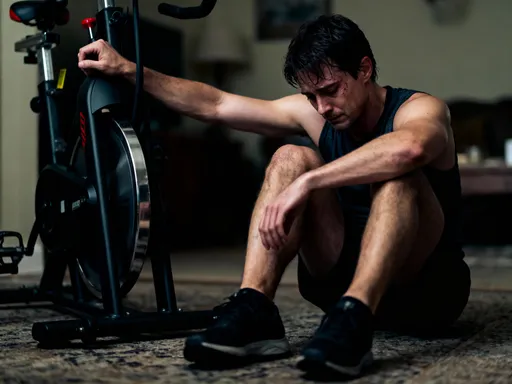
Before the injury, I took movement for granted. I didn’t realize how much independence came from being able to move freely. When that disappeared, so did a piece of my identity. I relied on others more than I wanted to. I canceled plans to avoid explaining why I couldn’t carry anything or raise my arms. The emotional toll was just as real as the physical pain. There was fear—not just of the injury, but of never regaining what I’d lost. Would I ever lift my child again? Could I return to the walks I once enjoyed?
What finally shifted was not a sudden breakthrough, but a quiet realization: waiting for healing wasn’t working. I had spent weeks resting, hoping my body would simply recover on its own. But improvement stalled. My range of motion didn’t return. My muscles grew weaker. That’s when I knew passive recovery wasn’t enough. I needed to take action. I made an appointment with a physical therapist, not because I believed in miracles, but because I refused to accept limitations I hadn’t yet fought against. That decision became the first real step toward reclaiming my strength.
Debunking Myths: What I Thought Rehab Was (vs. What It Really Is)
Before starting rehabilitation, I held several assumptions that nearly derailed my progress. I thought rehab was only for athletes recovering from dramatic injuries or for people who had undergone major surgery. I told myself, This isn’t that serious. I just need more time. But time alone didn’t fix anything. In fact, the longer I waited, the more my body adapted to stillness—and not in a helpful way. Muscles atrophied. Joints stiffened. My nervous system began to treat movement as a threat.
Another myth I believed was that rest equals healing. While rest is important immediately after an injury, prolonged inactivity can actually hinder recovery. The body thrives on controlled stress. Without it, tissues lose elasticity, circulation slows, and inflammation can linger. I learned that healing isn’t passive. True rehabilitation is an active process—guided, intentional movement that signals the body to rebuild rather than retreat.
Rehab is not about pushing through pain or forcing yourself back to normal. It’s about re-educating your body. It’s learning how to move safely, efficiently, and without fear. My therapist explained that every exercise had a purpose: to restore communication between the brain and muscles, to improve joint stability, and to rebuild confidence in movement. This wasn’t punishment—it was reprogramming. Once I understood that rehab was not just for the severely injured, but for anyone willing to heal with intention, my mindset shifted. I stopped seeing it as a last resort and started seeing it as a necessary investment in my long-term well-being.
The Foundation: Why Movement Is Medicine (Backed by Science)
One of the most powerful lessons I learned was that movement is not just helpful during recovery—it’s essential. Scientific research consistently shows that controlled, progressive movement accelerates healing by increasing blood flow to injured tissues. Blood carries oxygen and nutrients needed for repair, while also removing waste products that contribute to inflammation. When we stay still, this process slows down. When we move wisely, we support our body’s natural ability to heal itself.
Think of the body like a machine. If a hinge isn’t used, it rusts. If a muscle isn’t engaged, it weakens. But when used with care, the body responds by adapting—by strengthening connective tissues, improving joint lubrication, and enhancing neuromuscular coordination. This is why early mobilization, when medically appropriate, is now a cornerstone of modern rehabilitation. It’s not about rushing recovery, but about signaling the body that movement is safe and beneficial.
Another key concept I came to understand is neuroplasticity—the brain’s ability to reorganize and form new neural connections. After an injury, the brain often develops protective patterns, avoiding certain movements out of fear of pain. But through repeated, pain-free motion, we can retrain the brain to see those movements as safe again. This is the science behind muscle memory and functional recovery. It’s not just about building strength in the muscles; it’s about rebuilding trust in the entire movement system. When movement is consistent and controlled, the nervous system learns: This is not dangerous. You can do this. That mental shift is just as critical as physical progress.
My Daily Rehab Blueprint: Simple Routines That Actually Worked
Consistency, not intensity, became the foundation of my recovery. I started with a simple daily structure that balanced gentle activation with mindful progression. Each morning began with a five-minute warm-up: seated shoulder rolls, ankle circles, and deep breathing to prepare my body and mind. This wasn’t about exertion—it was about waking up the nervous system and increasing circulation. Even on days when I didn’t feel like moving, I committed to this small routine. It kept me connected to the process.
The core of my rehab focused on three types of movement: range-of-motion exercises, isometric contractions, and functional patterns. Range-of-motion drills—like arm circles or knee extensions—helped restore mobility without strain. I performed them slowly, focusing on smooth, controlled motion. Isometric holds—where I engaged a muscle without moving the joint—were especially helpful in the early stages. For example, pressing my hand into a wall to activate my shoulder muscles without lifting my arm. These built strength without stressing healing tissues.
As I progressed, I introduced functional movements: sitting to standing, step-ups, and controlled reaching. These mimicked real-life actions, helping me rebuild confidence in daily tasks. I used a chair for support when needed and never pushed into pain. Each session lasted 20 to 30 minutes, no more. What mattered was doing it every day, even when progress felt invisible. I tracked my routine in a notebook, not to measure perfection, but to honor my effort. Over time, small actions compounded. My shoulder moved farther. My legs felt steadier. The routines didn’t change dramatically—but my body did.
Mindset Matters: Staying Motivated When Progress Feels Invisible
One of the hardest parts of recovery wasn’t the pain—it was the impatience. There were weeks when I did everything “right” and saw no obvious change. I’d compare myself to others, wondering why healing felt so slow. I questioned whether I was doing enough, or if I’d ever get back to where I wanted to be. These thoughts were natural, but they threatened my commitment. I realized that motivation alone wouldn’t carry me through; I needed strategies to stay engaged when results weren’t immediate.
I started tracking small wins. Instead of focusing on big goals like “lift 10 pounds,” I celebrated things like “raised my arm 5 degrees higher” or “completed all exercises without stopping.” I used a visual journal, marking each day with a dot. Over time, the dots formed a line—a quiet reminder that I was moving forward, even when I couldn’t feel it. I also set micro-goals: “This week, I will improve my posture during exercises” or “I will breathe deeply through each repetition.” These kept me focused on process, not just outcome.
I learned to reframe setbacks. A day with more pain didn’t mean I’d failed—it meant my body needed rest. I stopped seeing rest as falling behind and started seeing it as part of the rhythm of healing. I reminded myself that recovery is not linear. There are peaks and valleys. What matters is showing up, adjusting when needed, and continuing. My therapist often said, Healing is not a race. It’s a conversation between you and your body. That perspective helped me stay patient, kind, and persistent.
Fueling Recovery: How Rest, Hydration, and Nutrition Play a Role
While movement was central to my recovery, I couldn’t ignore the role of recovery-supportive habits. Sleep, in particular, became a non-negotiable part of my routine. During deep sleep, the body releases growth hormone, which aids in tissue repair and reduces inflammation. I prioritized seven to eight hours each night, creating a calming bedtime ritual: dim lights, no screens, and gentle stretching. On nights I slept poorly, I noticed increased stiffness and fatigue the next day. Quality rest wasn’t a luxury—it was active healing.
Hydration also made a noticeable difference. Joints rely on synovial fluid for smooth movement, and muscles need water to function properly. Even mild dehydration can increase muscle cramping and joint discomfort. I started carrying a water bottle and aimed for consistent intake throughout the day. I didn’t track exact ounces, but I paid attention to how I felt. When I drank enough, my movements felt easier. When I didn’t, everything felt heavier.
Nutrition played a supportive role, too. I focused on balanced meals rich in protein, healthy fats, and colorful vegetables. Protein provides amino acids essential for muscle and tissue repair. Omega-3 fatty acids, found in fish and flaxseeds, help reduce inflammation. I didn’t follow extreme diets or take unproven supplements. Instead, I chose whole foods that made me feel strong and energized. I viewed eating as another form of self-care—a way to give my body the tools it needed to heal. These habits didn’t replace physical therapy, but they created the internal environment where healing could thrive.
When to Push and When to Pause: Listening to Your Body’s Signals
One of the most important skills I developed was learning to listen to my body. Not all discomfort is the same. There’s a difference between the mild muscle fatigue that comes from effort and the sharp, localized pain that signals harm. Early in my rehab, I sometimes mistook the two. I pushed through pain, thinking I was being strong, only to set myself back. My therapist taught me to recognize the warning signs: sudden sharp pain, swelling, increased stiffness the next day, or persistent fatigue. These were signals to pause, reassess, and adjust.
I learned to use a simple scale to gauge discomfort: 0 to 10, where 0 is no pain and 10 is unbearable. Exercise should stay in the 0 to 3 range—maybe a mild ache or stretch, but never sharp or worsening. If I hit a 4 or higher, I stopped and modified the movement. This wasn’t giving up—it was respecting my body’s limits. Over time, I became more attuned to subtle cues: a slight tremor in a muscle, a hesitation in movement, a sense of tension in my breath. These were early warnings that I was asking too much, too soon.
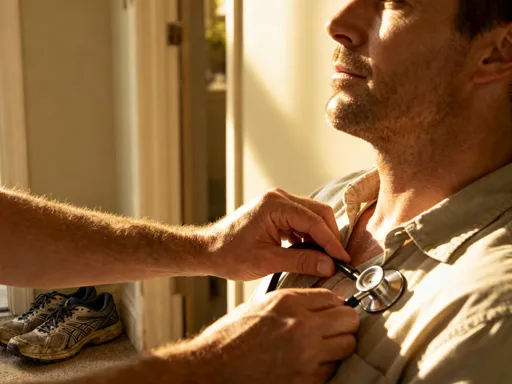
Professional guidance was essential in this process. My physical therapist helped me interpret these signals and adjust my plan. They reminded me that recovery isn’t about willpower—it’s about wisdom. There’s no shame in scaling back. In fact, it’s a sign of strength to recognize when to rest. I stopped seeing rest days as failures and started seeing them as strategic pauses that allowed my body to integrate progress. This balance—between effort and recovery—became the rhythm of my healing.
Reclaiming Movement, One Day at a Time
Looking back, my recovery wasn’t defined by dramatic milestones, but by quiet, consistent choices. It wasn’t a single moment when I “got better,” but a series of small victories that added up. I can now lift my arm overhead without hesitation. I carry groceries, play with my family, and walk without fear. But more than that, I’ve gained a deeper awareness of my body and a greater respect for the process of healing.
Rehabilitation taught me that strength isn’t just physical—it’s mental and emotional, too. It’s the courage to start when you’re unsure. It’s the patience to continue when progress is slow. It’s the wisdom to listen and adapt. This journey didn’t just restore what I lost; it helped me build something stronger: resilience, self-trust, and a renewed commitment to long-term health.
If you’re in the middle of your own recovery, know this: your efforts matter, even when they feel invisible. Healing takes time, support, and care. Work with professionals, honor your body’s pace, and never underestimate the power of small, consistent actions. This isn’t just about returning to normal—it’s about building a healthier, more mindful way of living. And that, perhaps, is the most lasting strength of all.