How I Mastered the High-Protein Game Without Breaking Dietary Rules
For years, I struggled to balance a high-protein diet with real-life food limits—lactose intolerance, busy days, picky eating. It felt like every protein-packed meal came with a catch. But after testing dozens of approaches, I cracked a system that works *with* restrictions, not against them. Turns out, eating well isn’t about perfection—it’s about smart, sustainable choices. Let me walk you through how I made high protein work—without sacrificing health or sanity.
The Protein Puzzle: Why More Isn’t Always Better
High-protein diets have gained widespread recognition for their role in supporting muscle maintenance, promoting fullness, and aiding metabolic function. Research consistently shows that adequate protein intake can help preserve lean body mass during weight loss, support recovery after physical activity, and stabilize blood sugar levels throughout the day. However, much of the advice surrounding high-protein eating assumes a one-size-fits-all model—one that often overlooks the realities of individual dietary boundaries. For many women juggling family meals, work schedules, and personal health needs, the standard high-protein playbook simply doesn’t translate to daily life.
Common dietary restrictions such as lactose intolerance, gluten sensitivity, plant-based preferences, or limited access to fresh ingredients create significant barriers to following conventional high-protein plans. Take, for example, the popular reliance on whey protein shakes or Greek yogurt—both excellent sources of protein but inaccessible to those avoiding dairy. Similarly, grain-based protein bars may contain hidden gluten or excessive added sugars, making them unsuitable for individuals managing celiac disease or insulin resistance. These mismatches between recommended strategies and real-world constraints lead to frustration, inconsistency, and ultimately, abandonment of healthy eating goals.
The key insight is this: maximizing protein intake should not come at the expense of digestive comfort, personal values, or practical feasibility. Instead of chasing arbitrary protein targets, the focus should shift toward achieving optimal protein within the context of one’s unique lifestyle and limitations. This means prioritizing quality, tolerance, and long-term adherence over short-term gains. A sustainable high-protein approach is not defined by how much protein you consume, but by how well your choices align with your body’s needs and your daily routine.
Scientific evidence supports this balanced perspective. Studies published in journals like The American Journal of Clinical Nutrition emphasize that protein distribution across meals—rather than total daily quantity alone—plays a critical role in muscle protein synthesis. Spreading moderate amounts of high-quality protein throughout the day (approximately 25–30 grams per meal) appears more effective than consuming large amounts in a single sitting. This finding opens the door for flexible, restriction-friendly approaches that prioritize consistency over intensity.
Mapping Your Limits: Know Your Dietary Landscape
Before building a high-protein plan, it’s essential to understand what you’re working with—and what you need to work around. Every individual navigates a unique set of dietary boundaries shaped by medical conditions, ethical choices, cultural habits, and logistical realities. The first step in creating a sustainable system is self-assessment: identifying which foods cause discomfort, which values guide your choices, and which practical factors influence your access to certain ingredients. Only by mapping these limitations can you design a nutrition strategy that supports both health and harmony in daily life.
Dietary restrictions generally fall into three categories: medical, lifestyle, and practical. Medical restrictions include diagnosed conditions such as lactose intolerance, celiac disease, egg allergy, or histamine sensitivity. These require strict avoidance of specific foods to prevent adverse reactions. Lifestyle-based choices might include vegetarianism, veganism, or adherence to halal or kosher dietary laws. These are often rooted in personal beliefs, environmental concerns, or spiritual practices. Practical limitations encompass budget constraints, time availability, cooking skills, and access to grocery stores or kitchen facilities. A mother managing a tight household budget or a professional with limited meal prep time faces real challenges that must be factored into any realistic eating plan.
One effective framework for navigating these layers is the “Filter First, Build Second” approach. Begin by listing all applicable restrictions—what you cannot or prefer not to eat. Then, use that filter to guide your food selection process. For instance, if someone is both lactose intolerant and budget-conscious, they would exclude dairy-based proteins and prioritize affordable, non-perishable sources like canned beans, lentils, or frozen fish. This method shifts the focus from what’s missing to what’s possible, fostering creativity rather than deprivation.
Consider two real-world examples. Sarah, a 42-year-old teacher with gluten sensitivity and a packed schedule, found that pre-packaged protein bars caused bloating and were too expensive for daily use. By identifying her limits early, she shifted to homemade oat-free energy balls made with nut butter, chia seeds, and pea protein powder—affordable, gluten-free, and easy to store. Meanwhile, Maria, a 38-year-old nurse following a plant-based diet, struggled with low energy until she realized her meals lacked sufficient complete proteins. After mapping her dietary landscape, she incorporated more quinoa, tofu, and tempeh—foods that fit her ethical stance while meeting her nutritional needs. Both women succeeded not by eliminating restrictions, but by designing around them.
Smart Substitutions: Filling Gaps Without Losing Gains
Once dietary boundaries are clear, the next step is finding effective protein substitutes that maintain nutritional integrity without compromising taste or convenience. The goal is not to mimic animal-based proteins exactly, but to identify alternatives that offer comparable benefits in terms of amino acid profile, digestibility, and overall nutrient density. This requires moving beyond marketing buzzwords and evaluating foods based on science-backed criteria such as protein quality, bioavailability, and cost per gram of protein.
For individuals avoiding dairy, common whey- or casein-based supplements can be replaced with plant-derived options like pea protein, brown rice protein, or a blended vegan mix. Pea protein, for example, contains all nine essential amino acids and has been shown in clinical studies to support muscle growth similarly to whey when consumed in equivalent amounts. It’s also naturally lactose-free and hypoallergenic, making it suitable for many with sensitivities. While some plant proteins may lack certain amino acids individually, combining sources—such as beans and rice or nuts and seeds—creates a complete protein profile over the course of a day.
Budget considerations also play a major role in substitution choices. Fresh salmon and grass-fed beef, while rich in protein and beneficial fats, may be cost-prohibitive for regular use. In such cases, canned tuna, sardines, or frozen shrimp provide excellent alternatives with comparable protein content and longer shelf life. Similarly, dry legumes like lentils, chickpeas, and black beans are among the most cost-effective protein sources available, especially when purchased in bulk. One cup of cooked lentils delivers about 18 grams of protein for less than 20 cents, making it a powerhouse for families managing food expenses.
Processing level is another important factor. While ultra-processed meat analogs may offer convenience, they often contain high levels of sodium, preservatives, and refined starches. Whole food options like edamame, hard-boiled eggs (for non-vegans), cottage cheese (for those tolerating lactose), or roasted chickpeas provide clean, minimally processed protein with added fiber and micronutrients. When choosing packaged products, reading labels becomes crucial—prioritizing items with short ingredient lists, low added sugar, and recognizable components.
Ultimately, smart substitutions are not about perfection but progress. The aim is to maintain adequate protein intake without triggering symptoms, exceeding budgets, or sacrificing enjoyment. By thoughtfully replacing restricted items with nutritionally sound alternatives, individuals can preserve the benefits of a high-protein diet while honoring their personal limits.
Meal Architecture: Building Balanced, Restriction-Friendly Plates
With suitable ingredients in hand, the next challenge is assembling them into satisfying, balanced meals. This is where meal architecture comes in—a structured yet flexible approach to plate composition that ensures each meal delivers adequate protein while accommodating dietary needs. Rather than focusing solely on macronutrient counts, this method emphasizes visual balance, flavor variety, and digestive comfort, making it easier to stick with over time.
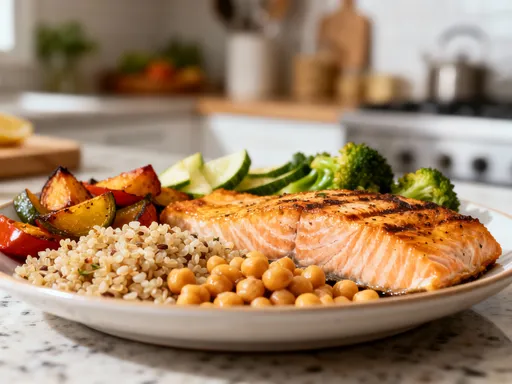
A useful model is the “Protein Anchor” strategy, where one primary protein source forms the foundation of the meal, surrounded by complementary side dishes that add fiber, vitamins, and satiety. For example, a serving of grilled chicken (or baked tofu for plant-based eaters) serves as the anchor, paired with a large portion of roasted vegetables and a small serving of complex carbohydrate like sweet potato or quinoa. This structure ensures protein prominence without crowding out other essential nutrients.
For those avoiding gluten, grain-free options such as cauliflower rice, spiralized zucchini, or mashed turnips can replace pasta or couscous. Dairy-free alternatives like coconut yogurt or almond-based cheeses allow for creamy textures without lactose. Low-sodium diets benefit from the use of herbs, citrus, vinegar, and spice blends instead of salt-heavy sauces. Each variation maintains the integrity of the meal while adapting to specific needs.
Portion control is equally important. Overemphasizing protein at the expense of fiber-rich plant foods can lead to constipation, bloating, or nutrient imbalances. A balanced plate should ideally include approximately 30% protein, 40% non-starchy vegetables, and 30% healthy carbohydrates or fats, adjusted based on activity level and health goals. Timing also matters—distributing protein across breakfast, lunch, and dinner helps maintain steady energy and supports overnight muscle repair.
Sample meal blueprints illustrate how this works in practice. A dairy-free lunch might feature a lentil and spinach stew served with a side of sliced avocado and a small whole-grain tortilla (gluten-free if needed). A quick dinner could include canned white beans sautéed with garlic and kale, topped with sunflower seeds for crunch and extra protein. These meals are simple to prepare, rely on pantry staples, and can be adapted based on what’s available. The emphasis is on flexibility, not rigidity—allowing for substitutions without losing nutritional value.
The Planning Edge: Prep, Rhythm, and Realistic Routines
Sustaining a high-protein diet amidst life’s demands requires more than good intentions—it requires systems. Without planning, even the best intentions can falter under the pressure of fatigue, time crunches, or unexpected changes. The most successful eaters aren’t those with perfect willpower, but those who build routines that reduce decision fatigue and make healthy choices automatic.
Weekly meal planning is a cornerstone of this approach. Setting aside 30 minutes each weekend to review schedules, check pantry supplies, and draft a simple meal map can prevent last-minute takeout or skipped meals. A realistic plan accounts for busy nights—perhaps designating one or two “no-cook” evenings featuring pre-made salads, canned fish, or protein shakes. It also includes backup options, such as frozen vegetable stir-ins or ready-to-eat grilled chicken strips, to handle unexpected delays.
Batch cooking offers another powerful advantage. Preparing large quantities of versatile staples—like roasted chickpeas, hard-boiled eggs, cooked quinoa, or shredded turkey—creates building blocks for multiple meals. These can be stored in portioned containers and combined in different ways throughout the week, reducing daily effort while maintaining variety. For families, this means fewer trips to the stove and more consistent nutrition for everyone.
Smart shopping lists follow naturally from the meal plan. Organizing the list by grocery store sections—produce, freezer, canned goods, refrigerated items—saves time and reduces impulse buys. Prioritizing sales, store brands, and bulk bins helps manage costs without sacrificing quality. Keeping a running inventory at home prevents duplicate purchases and reduces food waste, a common concern for budget-conscious households.
Time-saving tools further enhance efficiency. Slow cookers, instant pots, and air fryers allow for hands-off cooking with minimal cleanup. Freezing portions of soups, stews, or casseroles extends their usability and provides ready-made meals for particularly hectic days. Even small habits—like washing and chopping vegetables immediately after grocery shopping—can dramatically reduce prep time later in the week.
Beyond the Plate: Monitoring, Mindset, and Missteps
Nutrition success extends beyond what’s on the fork. How you feel, how your body responds, and how you handle setbacks are equally important indicators of progress. Rather than obsessing over exact protein grams or daily weigh-ins, a more holistic approach focuses on energy levels, digestion, mental clarity, and overall satisfaction with meals.
Self-monitoring doesn’t require apps or journals—though they can help. Simply pausing to reflect each day on questions like “Did I feel energized after lunch?” or “Was I hungry again within an hour?” provides valuable feedback. If meals leave you sluggish or bloated, it may signal a need to adjust portion sizes, cooking methods, or ingredient combinations. Consistent fatigue could indicate insufficient iron or B12, especially in plant-based diets, warranting a conversation with a healthcare provider.
Missteps are inevitable. Social gatherings, travel, holidays, or emotional eating moments will disrupt even the best-laid plans. The key is responding with self-compassion, not guilt. Missing a high-protein meal doesn’t erase progress—it’s just one data point. The goal is long-term consistency, not perfection. Learning from slip-ups—such as bringing a protein-rich dish to a potluck or packing snacks for a flight—builds resilience over time.
Mindset plays a crucial role. Viewing dietary choices as acts of self-care rather than restrictions fosters a positive relationship with food. Framing meals as opportunities to nourish the body, support strength, and enhance well-being shifts the focus from deprivation to empowerment. This internal shift makes adherence easier and more sustainable, especially during challenging periods.
Putting It All Together: A System That Scales With You
Mastering a high-protein diet within personal boundaries isn’t about following a rigid protocol—it’s about building a personalized system that evolves with your life. The journey begins with awareness: knowing your limits, understanding your options, and respecting your reality. From there, strategic substitutions, thoughtful meal design, and consistent planning create a foundation for lasting success.
What makes this approach enduring is its adaptability. As schedules change, health needs shift, or preferences evolve, the system can be recalibrated without starting over. A new diagnosis, a move to a smaller kitchen, or a change in family dynamics doesn’t require abandoning goals—just reapplying the same principles with updated inputs.
Ultimately, the goal is not just higher protein intake, but greater confidence in making choices that support long-term well-being. When nutrition aligns with both science and self-respect, it becomes less of a chore and more of a quiet commitment to living well. This isn’t a short-term fix or a trend to follow—it’s a lifelong practice of listening to your body, honoring your boundaries, and building strength from the inside out.