Pregnancy Traps I Fell Into—And How I Fixed Them
Pregnancy is often painted as a glowing, joyful journey, but the reality can be messy and overwhelming. I learned the hard way that small missteps in health management—like poor nutrition timing or skipping prenatal movement—can lead to big discomforts. This is not medical advice, but a real look at common pregnancy care pitfalls and how simple, science-backed changes made my experience healthier and more balanced. The physical and emotional shifts during pregnancy are profound, and without proper guidance, it’s easy to fall into habits that seem helpful but may actually hinder well-being. What follows is a reflection on the most common traps I encountered, supported by research and professional insights, along with practical strategies that helped me regain control and confidence.
The Myth of “Eating for Two” – Why Overeating Backfired
The idea of “eating for two” is one of the most persistent myths in prenatal culture. From well-meaning relatives urging you to “indulge” to restaurant portions expanding “for the baby,” the message is clear: pregnancy is a free pass to eat more. But the truth is, your body becomes more efficient at absorbing nutrients, so additional calories are needed only in the second and third trimesters—and even then, only by about 300 to 450 extra calories per day, depending on pre-pregnancy weight and activity level. I once believed I deserved a second helping at every meal, only to find myself struggling with sluggishness, heartburn, and rapid weight gain that made movement harder.
Excessive weight gain during pregnancy is linked to a higher risk of gestational diabetes, high blood pressure, and cesarean delivery. It can also lead to prolonged recovery after birth and make it more difficult to return to a healthy weight postpartum. The American College of Obstetricians and Gynecologists (ACOG) emphasizes that weight gain should be gradual and within recommended ranges based on pre-pregnancy body mass index (BMI). For women with a normal BMI, the suggested total gain is between 25 and 35 pounds. Going beyond that increases risks without offering benefits to the baby.
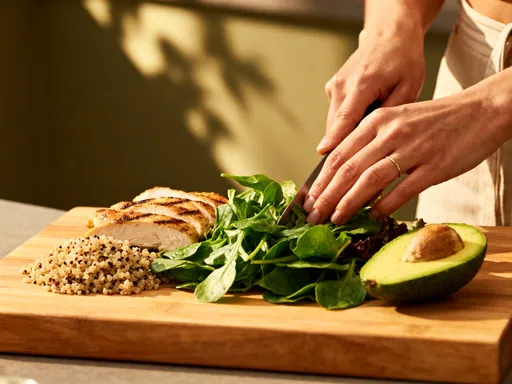
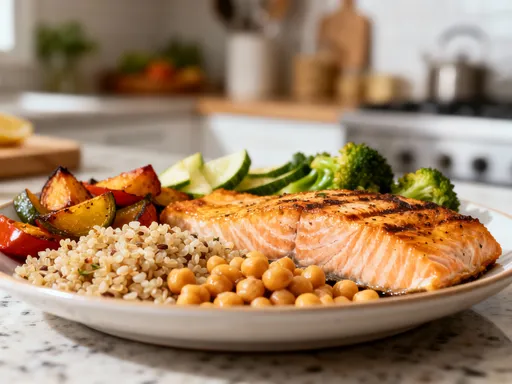
The solution isn’t restriction, but smart nutrition. Instead of focusing on quantity, shift attention to quality. Nutrient-dense foods—those packed with vitamins, minerals, fiber, and healthy fats—support both maternal and fetal health without unnecessary calories. I began using the plate method: half my plate filled with colorful vegetables, a quarter with lean protein like chicken, fish, or legumes, and the remaining quarter with complex carbohydrates such as brown rice, sweet potatoes, or quinoa. This visual guide helped me stay balanced without overeating. Snacks became intentional too—apple slices with almond butter instead of sugary pastries, or Greek yogurt with berries instead of ice cream.
Portion awareness also made a difference. I started using smaller plates and bowls, which naturally reduced serving sizes without making me feel deprived. Drinking a glass of water before meals helped me distinguish between thirst and hunger. Over time, I noticed more stable energy levels, fewer digestive issues, and a sense of control over my body’s changes. Eating well wasn’t about deprivation—it was about honoring what my body truly needed.
Skipping Movement “For Safety” – How Inactivity Made Me Feel Worse
Early in my pregnancy, I stopped exercising out of fear. I worried that walking too fast, lifting light weights, or even stretching might harm the baby. Like many women, I equated rest with safety. But within weeks, I began to feel worse—swelling in my feet, persistent back pain, and a constant sense of fatigue. My circulation slowed, and I felt stiff and sluggish. It wasn’t until my midwife gently reminded me that movement is medicine that I reconsidered.
Regular physical activity during pregnancy is not only safe for most women—it’s strongly recommended. The Centers for Disease Control and Prevention (CDC) advises at least 150 minutes of moderate-intensity aerobic activity per week, spread throughout the week. Exercise improves blood flow, reduces swelling, supports healthy weight gain, and can even ease labor and recovery. Studies show that women who stay active during pregnancy have lower rates of gestational diabetes, preeclampsia, and excessive weight gain. Movement also boosts mood by increasing endorphins, which can help manage anxiety and prenatal depression.
I started with short, 15-minute walks around my neighborhood. As my energy improved, I extended them to 30 minutes. I also joined a prenatal yoga class, which taught me breathing techniques and gentle poses that relieved pelvic pressure and improved sleep. Swimming became another favorite—its buoyancy reduced joint strain while providing a full-body workout. These activities didn’t exhaust me; they energized me. I learned that listening to my body was key: if something felt uncomfortable, I modified or stopped. But complete inactivity was far more harmful than gentle, consistent movement.
Before starting any routine, I consulted my healthcare provider to ensure it was safe for my individual situation. Every pregnancy is different, and some conditions—like placenta previa or cervical insufficiency—require modified activity. But for most women, avoiding movement out of fear does more harm than good. The key is to choose low-impact, pregnancy-safe options and build them into daily life. Even simple actions—standing up every hour, taking the stairs, or doing seated stretches—can make a meaningful difference.
Trusting Social Media Over Science – The Danger of Trendy Pregnancy “Hacks”
In today’s digital age, it’s easy to fall into the trap of trusting viral content over verified information. I once followed a popular influencer’s advice to drink cinnamon tea daily to “balance blood sugar.” It sounded natural and harmless—until I experienced heartburn and nausea that lasted for days. Only later did I learn that high doses of cinnamon may stimulate uterine contractions in some cases. This experience taught me a hard lesson: not all wellness trends are safe, even if they’re shared by thousands.
Social media is filled with unverified pregnancy “hacks”—from essential oil blends to restrictive diets and detox teas. Many of these lack scientific backing and can pose real risks. For example, certain herbal supplements may interfere with prenatal vitamins or increase the risk of bleeding. Detox regimens can lead to dehydration or nutrient deficiencies. Even seemingly innocent advice, like avoiding all caffeine, can create unnecessary stress when moderate intake (less than 200 mg per day) is generally considered safe by ACOG.
The danger lies in the illusion of expertise. Just because someone looks healthy or has many followers doesn’t mean their advice is evidence-based. Real prenatal guidance comes from clinical research, medical organizations, and licensed healthcare providers—not from curated Instagram feeds. I learned to pause before trying anything new and ask: Is this supported by science? Has it been studied in pregnant women? Could it interact with my prenatal care?
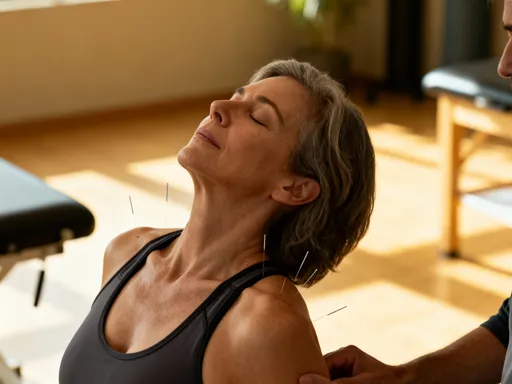
Now, I rely on trusted sources like the Mayo Clinic, the CDC, and official prenatal care guidelines. I keep a list of approved resources on my phone and refer to them when I come across a trending tip. I also discuss new ideas with my doctor before adopting them. This doesn’t mean rejecting all alternative practices—many women find comfort in acupuncture, massage, or meditation—but it means approaching them with caution and professional input. Staying informed protects both me and my baby.
Ignoring Mental Load – Why Emotional Health Is Part of Physical Care
For months, I treated pregnancy as a physical condition—something to manage through diet, movement, and doctor visits. I didn’t realize how much emotional strain I was carrying until I started having trouble sleeping and felt constantly on edge. The truth is, pregnancy is not just a physical transformation; it’s an emotional journey filled with anticipation, fear, and identity shifts. Ignoring mental health can undermine even the most careful physical care.
Chronic stress during pregnancy has been linked to a range of issues, including high blood pressure, preterm birth, and low birth weight. Stress hormones like cortisol can cross the placenta and affect fetal development. Emotional well-being also influences daily functioning—poor sleep, digestive issues, and difficulty concentrating are common when stress goes unmanaged. Yet, many women feel pressure to appear “happy” and “grateful,” suppressing their true feelings.
I began to prioritize emotional self-care by building small, restorative habits into my day. Journaling became a safe space to express worries without judgment. I wrote down my fears—about labor, parenting, body changes—and found that naming them reduced their power. I also practiced deep breathing exercises for five minutes each morning and evening, which helped regulate my nervous system. Talking openly with my partner and a trusted friend provided emotional relief and strengthened my support network.
One of the most effective tools I adopted was scheduling “worry time.” Instead of letting anxious thoughts invade every moment, I set aside 15 minutes each afternoon to focus on them. I’d write down concerns, brainstorm solutions, or simply let them flow. Outside that window, I gently redirected intrusive thoughts with a reminder: “I’ll address this during my worry time.” This practice didn’t eliminate anxiety, but it contained it. Over time, I felt more in control and less overwhelmed. Emotional health isn’t a luxury—it’s a vital part of prenatal care.
Overlooking Hydration – The Silent Contributor to Fatigue and Cramps
During my first trimester, nausea made drinking water feel like a chore. I’d sip only when extremely thirsty, often relying on ginger tea or juice to settle my stomach. But I started experiencing frequent headaches, constipation, and leg cramps—classic signs of dehydration. I didn’t connect the dots until my midwife asked, “How much water are you drinking?” The recommended intake during pregnancy is about 8 to 10 cups (64 to 80 ounces) daily, more if you’re active or in a hot climate.
Water plays a crucial role in pregnancy. It supports amniotic fluid production, nutrient transport, and kidney function. Dehydration can trigger Braxton Hicks contractions, reduce blood volume, and worsen fatigue. It also contributes to common discomforts like dizziness, dark urine, and dry skin. For me, the turning point came when I realized that many of my symptoms weren’t just “normal pregnancy stuff”—they were preventable.
I made hydration a priority by keeping a marked water bottle on my desk, in my car, and by my bed. Each mark represented a cup, and I set hourly reminders on my phone to take a few sips. To make water more appealing, I added slices of lemon, cucumber, or mint. I also included hydrating foods like watermelon, oranges, and soups in my meals. Tracking my intake helped me stay consistent, and within days, my energy improved, cramps decreased, and my skin looked clearer.
It’s important to note that not all fluids are equal. Caffeinated drinks can have a mild diuretic effect, so they shouldn’t be counted toward your water goal. Sugary beverages add unnecessary calories and can spike blood sugar. Plain water remains the best choice. If nausea persists, try sipping small amounts frequently or sucking on ice chips. Staying hydrated isn’t glamorous, but it’s one of the simplest and most effective ways to support a healthy pregnancy.
Delaying Prenatal Check-Ins – Why Waiting Can Cost You Clarity
When I first found out I was pregnant, I delayed my first prenatal visit. I told myself I was “too early,” that nothing would happen at the appointment anyway. But that delay meant I missed early screenings for anemia, thyroid function, and gestational diabetes risk—conditions that are easier to manage when caught early. Prenatal care isn’t just about ultrasounds; it’s a proactive health strategy.
Early and regular check-ups allow healthcare providers to monitor both maternal and fetal health, identify potential complications, and offer timely interventions. Conditions like iron-deficiency anemia can cause severe fatigue and increase the risk of preterm birth. High blood pressure can progress to preeclampsia if not managed. Gestational diabetes, if undetected, can lead to oversized babies and delivery complications. Routine blood and urine tests, blood pressure checks, and fetal growth monitoring are essential tools for prevention.
Once I committed to regular visits, I began to see them as a partnership in care. I prepared for each appointment by writing down questions—about nutrition, exercise, symptoms, or birth plans. This helped me make the most of my time with my provider and reduced post-visit anxiety. I also brought a notebook to keep track of recommendations and test results. These small steps empowered me to stay informed and involved in my care.
Some women avoid prenatal visits due to fear, financial concerns, or lack of access. If cost is a barrier, many clinics offer sliding-scale fees or government-supported programs. Transportation challenges can sometimes be addressed through community health services. The key is to seek support early. Your health and your baby’s health depend on consistent monitoring. Prenatal visits are not optional extras—they are foundational to a safe and healthy pregnancy.
Chasing Quick Fixes – Why Patience Beats Perfection in Pregnancy Health
In the beginning, I wanted to get everything “right.” I tried strict diets, intense workout plans, and expensive supplements, hoping for instant results. But pregnancy doesn’t respond to perfectionism. It’s a slow, evolving process that requires flexibility and self-compassion. Chasing quick fixes led to frustration, guilt, and burnout—emotions that only added to my stress.
The truth is, sustainable health comes from consistency, not extreme measures. Extreme diets can deprive the body of essential nutrients. Over-exercising can lead to fatigue or injury. Unregulated supplements may contain unsafe ingredients. Pregnancy is a marathon, not a sprint. Small, daily choices—like eating one extra vegetable, walking for 10 minutes, or drinking an extra glass of water—add up over time.
I shifted my mindset from “fixing” myself to nurturing myself. Instead of aiming for five workouts a week, I celebrated three. Instead of eliminating all sugar, I focused on reducing processed snacks. Progress, not perfection, became my goal. I also learned to rest without guilt. Some days, the best thing I could do for my health was to sleep, hydrate, and let go of unrealistic expectations.
Building lasting habits takes time. What matters most is showing up for yourself, day after day, with kindness and awareness. Pregnancy is not about achieving an ideal—it’s about growing a human while caring for yourself with intention. When I stopped chasing quick fixes and embraced a more balanced approach, I found greater peace and resilience.
Conclusion
Pregnancy care isn’t about avoiding every risk—it’s about making informed, manageable choices. The journey is filled with changes, uncertainties, and emotional waves. By recognizing common pitfalls—like overeating, inactivity, misinformation, emotional neglect, dehydration, delayed check-ups, and the pursuit of perfection—I was able to adjust my habits with compassion and science. Each small change contributed to a healthier, more empowered experience. These lessons are not about judgment but about support. Every woman’s pregnancy is unique, and professional guidance is essential. Always consult your healthcare provider to tailor strategies to your individual needs. With the right knowledge and mindset, you can navigate this transformative time with confidence and care.