How I Finally Found Balance in My Diet—And Transformed My Body Care Routine
For years, I struggled with energy crashes, cravings, and confusion about what "healthy eating" really meant. I tried trends, skipped meals, and overcomplicated things—until I embraced a balanced diet as a sustainable system, not a short-term fix. It wasn’t about perfection, but consistency. This shift didn’t just improve my physical health—it changed how I care for my body every single day. What began as a search for more energy evolved into a deeper understanding of nourishment, self-respect, and long-term well-being. This is not a story of dramatic weight loss or extreme discipline. It’s about finding peace with food, honoring the body’s needs, and building a lifestyle that supports vitality at every stage of life.
The Myth of Quick Fixes and Why They Fail
Many people begin their wellness journey believing that rapid results are the hallmark of success. They turn to juice cleanses, extreme calorie restriction, or eliminating entire food groups in hopes of quick transformation. These methods may produce short-term changes on the scale, but they rarely lead to lasting health. In fact, research consistently shows that restrictive diets often backfire, leading to slowed metabolism, muscle loss, and eventual weight regain—sometimes exceeding the original starting point. The body interprets severe restriction as a threat, triggering survival mechanisms that conserve energy and increase fat storage.
Moreover, these approaches take a toll on emotional well-being. Constantly labeling foods as "good" or "bad" fosters guilt and shame, especially when inevitable lapses occur. The cycle of restriction followed by overeating—often referred to as yo-yo dieting—can disrupt hormonal balance, particularly insulin and cortisol, which regulate blood sugar and stress response. Over time, this pattern undermines both physical and mental resilience. The promise of a quick fix distracts from what truly matters: sustainable habits that support lifelong health.
What many fail to realize is that the body does not thrive on deprivation. It thrives on consistency, variety, and adequate nourishment. Sustainable body care is not about achieving a certain look for a vacation or event; it is about building a relationship with food that supports energy, mood, and overall function every day. Instead of chasing trends, the focus must shift toward creating a system that is flexible, realistic, and aligned with individual needs. This means rejecting the idea that health is a destination and embracing it as an ongoing process—one that evolves with life’s changing demands.
What a Balanced Diet Actually Means (Beyond the Buzzword)
The term "balanced diet" is frequently used in health conversations, yet it is often misunderstood or oversimplified. At its core, a balanced diet refers to a consistent intake of macronutrients—carbohydrates, proteins, and fats—alongside essential micronutrients like vitamins and minerals, all derived from a variety of whole, minimally processed foods. It is not about rigid rules, calorie counting, or eliminating entire food groups, but about ensuring the body receives the fuel it needs to function optimally.
Carbohydrates, for example, are not the enemy. They are the body’s primary source of energy, especially for the brain and muscles. The key lies in choosing complex carbohydrates—such as whole grains, legumes, fruits, and vegetables—over refined ones like white bread, sugary cereals, and pastries. These complex sources release energy gradually, preventing blood sugar spikes and crashes that lead to fatigue and cravings.
Protein plays a critical role in tissue repair, hormone production, and immune function. Including a moderate amount of high-quality protein—such as eggs, fish, poultry, beans, or tofu—at each meal helps maintain muscle mass, supports satiety, and stabilizes blood sugar. Fats, particularly healthy unsaturated fats found in avocados, nuts, seeds, and olive oil, are essential for brain health, hormone regulation, and the absorption of fat-soluble vitamins like A, D, E, and K.
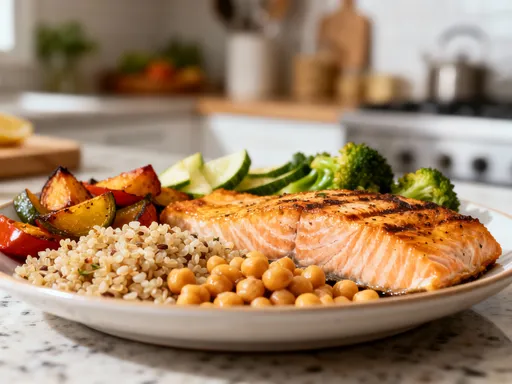
Micronutrients, though needed in smaller amounts, are equally vital. Iron supports oxygen transport, calcium strengthens bones, and vitamin C boosts immunity. A diet rich in colorful vegetables, fruits, whole grains, and lean proteins naturally provides these nutrients without the need for supplementation in most cases. A balanced plate might include roasted sweet potatoes, grilled salmon, a large portion of sautéed greens, and a side of quinoa—simple, satisfying, and nutritionally complete. Balance is not perfection; it is variety, moderation, and consistency over time.
The Body Care Connection: How Nutrition Shapes Daily Well-Being
Nutrition extends far beyond weight management. It is a fundamental form of body care that influences nearly every aspect of daily life. The food we eat directly affects energy levels, mental clarity, emotional stability, skin condition, digestion, and sleep quality. When meals are consistently balanced, the body operates more efficiently, sending positive signals that reflect overall health. Conversely, poor dietary choices can manifest as fatigue, brain fog, bloating, irritability, or disrupted sleep.
One of the most immediate effects of balanced eating is stable energy. When carbohydrates are paired with protein and healthy fats, glucose is released slowly into the bloodstream, preventing the sharp spikes and crashes associated with sugary snacks or refined carbohydrates. This steady fuel supply helps maintain focus throughout the day, reducing the need for caffeine or mid-afternoon naps. For busy women managing households, careers, or caregiving responsibilities, sustained energy is not a luxury—it is a necessity.
Digestive health is another area profoundly influenced by diet. A diet high in fiber—found in vegetables, fruits, legumes, and whole grains—supports regular bowel movements and a healthy gut microbiome. The gut, often referred to as the "second brain," plays a role in mood regulation through its connection to the nervous system. A balanced diet rich in fiber and fermented foods like yogurt or sauerkraut can improve digestion and may even support emotional well-being.
Skin health is also closely tied to nutrition. Diets high in processed sugars and unhealthy fats can contribute to inflammation and acne, while those rich in antioxidants, omega-3 fatty acids, and hydration promote a clear, radiant complexion. Similarly, proper hydration—often overlooked—supports cellular function, joint lubrication, and temperature regulation. Drinking enough water throughout the day, along with consuming water-rich foods like cucumbers and melons, enhances overall vitality. Viewing nutrition as an act of daily body care shifts the focus from appearance to function, honoring the body’s needs with intention and respect.
Building Your Personalized System: Structure Without Rigidity
A balanced diet is not a one-size-fits-all plan. It is a personalized system that provides structure without rigidity, allowing room for flexibility and real-life circumstances. The goal is not to follow a strict set of rules but to establish consistent habits that support long-term well-being. This begins with regular meal timing, which helps regulate hunger cues, stabilize blood sugar, and prevent overeating later in the day.
One practical and effective strategy is the "plate method," a visual guide for building balanced meals. Imagine dividing your plate into sections: half filled with non-starchy vegetables like broccoli, spinach, or bell peppers, one-quarter with lean protein such as chicken, fish, or beans, and the remaining quarter with complex carbohydrates like brown rice, sweet potatoes, or whole-grain pasta. This simple framework ensures a mix of nutrients without requiring precise measurements or calorie tracking.
Snacking, often seen as a pitfall, can be part of a healthy system when approached mindfully. Choosing snacks that combine protein, fiber, and healthy fats—such as apple slices with almond butter, Greek yogurt with berries, or a handful of nuts—helps maintain energy and prevent hunger from escalating. Planning ahead by preparing healthy options reduces the temptation to reach for processed convenience foods during busy moments.
This approach is designed to fit into real life. For women juggling work, family, and personal commitments, the idea of preparing elaborate meals every day is unrealistic. Batch cooking, simple recipes, and flexible meal templates make consistency achievable. The system is not about flawless execution but about making better choices more often. It allows for occasional meals out, holiday gatherings, or spontaneous plans without derailing progress. Structure provides guidance; flexibility ensures sustainability.
Overcoming Common Roadblocks: Cravings, Stress, and Social Eating
Even with a solid foundation, challenges arise. Emotional eating, stress-induced cravings, and social dining are common obstacles that can disrupt even the most well-intentioned efforts. These situations are not signs of failure but natural parts of life that require thoughtful strategies. Understanding the root causes of cravings—whether physiological, emotional, or environmental—is the first step toward managing them effectively.
Physiological hunger often results from imbalanced meals or long gaps between eating. Including adequate protein and fiber in meals helps maintain satiety and reduces the urge to snack unnecessarily. When cravings strike, asking oneself whether they stem from true hunger or emotions like boredom, stress, or fatigue can provide clarity. A simple pause before eating—drinking a glass of water, taking a short walk, or practicing deep breathing—can help break the automatic response to eat.
Stress, in particular, plays a significant role in food choices. Elevated cortisol levels increase appetite and often drive cravings for high-sugar, high-fat foods. Rather than suppressing these urges, a more sustainable approach is to build in regular stress-reducing practices—such as walking, journaling, or spending time in nature—while also ensuring that healthier comfort foods are available. Dark chocolate, air-popped popcorn, or a warm bowl of oatmeal can satisfy cravings without derailing balance.
Social eating, whether at family dinners, parties, or work events, presents another challenge. The key is not to avoid these situations but to navigate them with confidence. Strategies include eating a small, balanced snack beforehand to prevent arriving overly hungry, focusing on conversation rather than food, and choosing a variety of dishes without feeling pressured to overindulge. The 80/20 principle—eating nourishing, whole foods 80% of the time while allowing flexibility for enjoyment the remaining 20%—provides a realistic framework for long-term success. It fosters a healthy relationship with food, free from guilt or restriction.
Small Shifts, Big Results: Real Changes Over Time
Transformative change rarely comes from dramatic overhauls. More often, it is the result of small, consistent choices that accumulate over time. Replacing soda with water, adding a serving of vegetables to lunch, or choosing whole-grain bread instead of white are simple actions that, when repeated, lead to meaningful improvements in health. These shifts may seem minor in isolation, but their impact compounds, much like interest in a savings account.
Improved digestion is often one of the first noticeable benefits. Increasing fiber intake gradually—by including more beans, lentils, oats, or leafy greens—supports regularity and reduces bloating. Over time, many women report feeling lighter, more comfortable, and more energized. Better digestion also enhances nutrient absorption, ensuring the body receives maximum benefit from food.
Skin clarity often follows. As sugar and processed foods are reduced and antioxidant-rich foods are increased, inflammation decreases, leading to fewer breakouts and a more even complexion. Hydration, supported by drinking more water and consuming water-rich fruits and vegetables, further enhances skin health. These changes are not instant, but with consistency, they become visible and motivating.
Mental focus and mood stability also improve. Stable blood sugar means fewer energy crashes and less irritability. Nutrients like omega-3 fatty acids, B vitamins, and magnesium—found in fatty fish, nuts, seeds, and leafy greens—support brain function and emotional balance. Women often find that they feel calmer, more focused, and better equipped to handle daily stressors. These benefits reinforce the value of consistent, balanced eating, making it easier to stay the course.
Making It Last: Turning Systematic Eating Into Lifelong Habit
Sustainability is the cornerstone of lasting change. A balanced diet is not a phase to complete but a lifelong practice of self-care. The goal is not perfection but progress—showing up for your body day after day with kindness and consistency. This requires a shift in mindset: from viewing healthy eating as a sacrifice to seeing it as a form of respect and appreciation for the body’s capabilities.
Tracking subtle improvements—such as better sleep, improved digestion, or increased energy—can help maintain motivation. Journaling, using a simple checklist, or reflecting weekly on how food choices affect well-being provides insight and encouragement. It also allows for adjustments as life changes—whether due to aging, shifting activity levels, or new responsibilities.
Avoiding all-or-nothing thinking is essential. Missing a meal, eating dessert, or dining out does not negate progress. What matters is the overall pattern. Flexibility prevents burnout and supports long-term adherence. Celebrating non-scale victories—like feeling stronger, thinking more clearly, or fitting into clothes more comfortably—reinforces the deeper purpose of body care.
In the end, balanced eating is not about following a trend or achieving an idealized image. It is about creating a sustainable, nourishing relationship with food that supports health, energy, and well-being at every stage of life. It is an ongoing act of wellness—a daily commitment to honoring the body with the fuel it deserves. By embracing balance as a lifestyle, women can transform not only their physical health but also their sense of self-worth, resilience, and joy in everyday living.