Why Aerobic Exercise Can Sabotage Recovery—And What I Learned the Hard Way
You’d think more movement always helps healing—but I learned the hard way that aerobic exercise can backfire during rehab. After an injury, I jumped into walking and cycling too soon, hoping to speed recovery. Instead, I felt worse. Turns out, pushing endurance too early can delay healing. This isn’t just about soreness—it’s about understanding how your body repairs itself. Let me share what science and struggle taught me.
The Hidden Risk of "Healthy" Movement
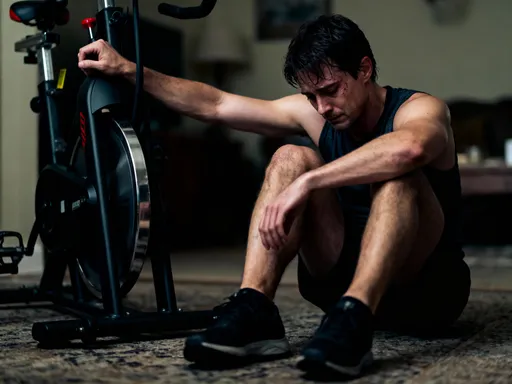
After a minor ligament strain in my ankle, I assumed light aerobic activity would promote blood flow and speed healing. Within days of the injury, I began walking on the treadmill and even tried a gentle spin class. The movements felt easy, almost comforting. I told myself I was staying active, maintaining fitness, doing the "right thing." But instead of improving, my ankle swelled more by the third day, and sharp pain returned with each step. It wasn’t until my physical therapist asked, "Have you been doing cardio?" that I realized my "healthy" habits might be doing harm.
This experience revealed a widespread misconception: that any movement that feels tolerable must be beneficial. Many people believe that if an activity doesn’t cause immediate, intense pain, it’s safe. However, the body’s healing process operates on a different logic than fitness gains. During the early stages of recovery, tissues are fragile, inflammation is necessary, and energy resources are limited. Aerobic exercise, even in low-impact forms like walking or cycling, increases systemic demand—diverting blood flow, oxygen, and metabolic resources away from injured areas.
The science behind this is clear. Inflammation, often viewed negatively, is actually a critical phase of tissue repair. It brings immune cells and nutrients to the injury site. However, prolonged or repeated cardiovascular activity can disrupt this process by elevating heart rate and redistributing circulation to large muscle groups, reducing localized healing support. Moreover, the repetitive motion involved in aerobic routines—even if low impact—can create micro-stress on healing tissues, leading to re-injury or chronic irritation.
Low-impact does not automatically mean low-risk during recovery. The key is timing. While walking is excellent for long-term health, introducing it too soon after injury may interfere with the body’s natural repair timeline. The belief that "staying active is always better" overlooks the biological reality that healing requires periods of reduced demand. Recognizing this distinction is the first step toward smarter, safer recovery.
When Cardio Crosses the Line from Healing to Harm
There’s a fine line between rehabilitation and re-injury, and aerobic exercise can easily blur it. Overuse and overtraining are not exclusive to athletes pushing for performance—they also affect individuals recovering from injury who misinterpret progress. Returning to cardio too soon often stems from good intentions: maintaining fitness, avoiding weight gain, or simply feeling "like oneself" again. But when the body hasn’t fully repaired, these efforts can do more damage than good.
Overtraining in a rehab context doesn’t always mean lifting heavy weights or running marathons. It can be as simple as walking 30 minutes daily when your body needs rest. The signs of excessive stress are subtle but telling: persistent fatigue that doesn’t improve with sleep, soreness that lingers for days, joint discomfort that wasn’t there before, or a general sense of being "run down." These are not normal side effects of recovery—they are warning signals that the body is struggling to keep up.
One of the most overlooked factors is heart rate. Elevated heart rate during aerobic activity increases cortisol, the stress hormone. While cortisol plays a role in managing inflammation, chronically high levels can suppress immune function and slow tissue regeneration. During recovery, the body needs cortisol to be regulated, not spiked repeatedly by daily cardio sessions. This hormonal imbalance can prolong healing and increase the risk of secondary injuries.
Consider the case of a woman recovering from knee surgery. Eager to regain mobility, she resumed jogging six weeks post-operation, believing she was "healing well." Within two weeks, she experienced increased swelling, stiffness, and pain. An MRI revealed minor re-tearing of repaired tissue. Her surgeon explained that while her strength had improved, the joint’s internal structures were still vulnerable. Her cardiovascular effort, though well-intentioned, had exceeded her body’s current capacity. This example underscores a vital truth: healing isn’t linear, and progress isn’t measured by how much you can do, but by how well your body can recover from it.
The Science Behind Recovery and Aerobic Demand
Understanding how the body allocates energy is crucial to effective recovery. When injured, your body enters a state of repair that requires significant metabolic resources. Healing involves rebuilding damaged tissues, fighting off potential infection, and remodeling scar tissue—all processes that demand protein synthesis, cellular regeneration, and sustained blood flow to the affected area. At the same time, aerobic exercise places its own demands on the body: fueling large muscle groups, increasing oxygen consumption, and managing waste products like lactic acid.
When both processes occur simultaneously, the body must prioritize. Unfortunately, endurance activities often take precedence because they involve systemic responses—your heart, lungs, and circulatory system are engaged on a large scale. This can pull resources away from localized healing. For example, after a muscle strain, blood flow should be directed to the injured fibers to deliver nutrients and remove debris. But during a cycling session, blood is redirected to the working leg muscles, potentially starving the healing site of what it needs most.
The metabolic cost of aerobic exercise is often underestimated. Even moderate-intensity cardio can increase energy expenditure by 50–100% above resting levels. This energy has to come from somewhere—usually stored glycogen or dietary intake. When the body is already using extra calories for repair, adding cardio can create an energy deficit, slowing recovery and increasing fatigue. Research in sports medicine shows that excessive energy expenditure during rehab correlates with delayed return-to-function and higher re-injury rates.
Rest, therefore, is not laziness. It is a biological necessity. During rest, the body shifts into parasympathetic dominance—often called the "rest and digest" state—where healing accelerates. Growth hormone levels peak during deep sleep, inflammation is regulated, and tissue regeneration occurs most efficiently. Pushing aerobic activity too soon disrupts this delicate balance, keeping the body in a state of stress rather than repair.
Sports medicine professionals advocate for phased return-to-activity protocols for this reason. These protocols are designed to reintroduce movement gradually, ensuring that each stage supports, rather than competes with, healing. For example, the initial phase focuses on protection and inflammation control, the second on restoring range of motion and strength, and only in the third phase is cardiovascular conditioning cautiously reintroduced. Respecting these phases isn’t a sign of weakness—it’s a strategy rooted in physiology.
Common Mistakes in Rehab-Focused Fitness Routines
Many people approach recovery with the same mindset they use for fitness: more is better, consistency is key, and pushing through discomfort leads to results. But rehab is not training. Applying fitness logic to healing often leads to critical errors. One of the most common mistakes is equating cardiovascular health with physical readiness. Just because your heart and lungs can handle a 20-minute walk doesn’t mean your injured ankle, knee, or back is ready for the repetitive load it will endure.
Another widespread error is ignoring pain as a warning signal. Society often glorifies "pushing through" discomfort, but in recovery, pain is not weakness—it’s communication. Nociceptors, the body’s pain receptors, send signals when tissues are under stress. Dismissing this feedback can lead to micro-damage that accumulates over time, turning a minor injury into a chronic condition. For instance, someone with a healing shoulder may feel only mild discomfort during light swimming, but that discomfort may indicate strain on tendons not yet strong enough to handle resistance.
A third mistake is following generic fitness plans instead of individualized rehab programs. Online workouts, community classes, or even well-meaning advice from friends often lack the specificity needed for recovery. Every injury is different—its location, severity, and healing timeline vary. A one-size-fits-all approach fails to account for these differences. What works for one person may hinder another. For example, a postpartum woman recovering from diastasis recti should avoid traditional core exercises, even if they appear low-impact, because they can worsen abdominal separation.
Finally, comparing progress with others is a psychological trap that undermines recovery. Social media often showcases rapid comebacks—someone jogging weeks after surgery, lifting weights shortly after an injury. These stories can create unrealistic expectations. But healing is not a competition. Genetics, age, nutrition, sleep quality, and access to care all influence recovery speed. Measuring your progress against someone else’s journey can lead to frustration and premature return to activity, increasing the risk of setbacks. The most effective rehab is patient, personalized, and guided by professional assessment—not comparison.
Smart Substitutes: What to Do Instead of Aerobics in Early Recovery
Just because you shouldn’t do aerobic exercise early in recovery doesn’t mean you should be completely inactive. The key is choosing movements that support healing without overloading the system. Regenerative movement—gentle, intentional activities that enhance circulation, neuromuscular control, and tissue health—can be far more beneficial than cardio at this stage.
Gentle mobility exercises, such as slow ankle circles or shoulder rolls, help maintain joint lubrication and prevent stiffness without creating excessive stress. Breathing exercises, particularly diaphragmatic breathing, activate the parasympathetic nervous system, reducing cortisol and promoting relaxation. These practices may seem minor, but they play a significant role in creating an internal environment conducive to healing.
Isometric exercises—where muscles contract without joint movement—are another powerful tool. For example, pressing the back of the knee into a towel while lying down activates the quadriceps without bending the joint. This helps maintain muscle strength and neuromuscular connection without risking re-injury. Studies show that isometrics can reduce pain and improve function in early-stage rehab, making them a safe and effective alternative to aerobic conditioning.
Controlled range-of-motion drills are also essential. These involve moving a joint through its pain-free range in a slow, deliberate way. For someone recovering from a hip injury, this might mean lying on the back and gently swinging the leg side to side within a comfortable arc. These movements stimulate synovial fluid production, improve proprioception, and support tissue remodeling—all without the cardiovascular demand of walking or cycling.
Consider the case of a middle-aged woman recovering from a rotator cuff repair. Instead of resuming her usual brisk walks, she worked with her therapist on seated arm slides along a table, deep breathing exercises, and isometric shoulder presses against a wall. After four weeks, her pain had decreased significantly, and her shoulder mobility improved more than expected. When she finally reintroduced light aerobic activity, it was under guidance and based on objective progress, not impatience. This approach not only protected her recovery but also built a stronger foundation for long-term fitness.
Building a Safer Return-to-Activity Plan
Recovery is most effective when it follows a structured, phased approach. One proven model used in sports medicine is the 3-phase framework: protect, prepare, progress. Each phase serves a distinct purpose and builds on the previous one, ensuring that aerobic exercise is reintroduced only when the body is truly ready.
The first phase, protect, focuses on minimizing further damage. This includes rest, controlled movement, and managing inflammation. Ice, compression, and elevation may be used as needed. The goal is not to eliminate all activity but to avoid anything that stresses the injured area. During this time, regenerative movements like breathing exercises and isometrics are encouraged, while aerobic activity is suspended.
The second phase, prepare, begins once acute symptoms subside. Here, the focus shifts to restoring strength, flexibility, and neuromuscular control. Range-of-motion exercises are gradually increased, and light resistance may be introduced. Pain should remain minimal, and any increase in symptoms should prompt a step back. This phase lays the groundwork for future activity by ensuring the body can handle load safely.
The third phase, progress, is when aerobic exercise can be cautiously reintroduced. Even then, it starts at very low intensity and short duration—perhaps five minutes of walking every other day. The key is monitoring the body’s response. If swelling, pain, or fatigue returns, the activity is scaled back. Over time, duration and intensity increase only as tolerated.
Tracking readiness is essential. Objective indicators like resting heart rate, sleep quality, and mood provide valuable feedback. A rising resting heart rate can signal lingering stress on the body. Poor sleep may indicate elevated cortisol. Irritability or low motivation can reflect fatigue at the cellular level. These signs are more reliable than how you "feel" in the moment.
Working with a physical therapist ensures that timing is based on assessment, not guesswork. They can perform manual tests, evaluate movement patterns, and adjust the plan as needed. A sample weekly structure for someone in mid-stage rehab might include: two days of guided mobility and strength work, one day of balance and proprioception training, and one day of very light aerobic activity—such as five minutes of stationary cycling—followed by rest. This balanced approach supports recovery without rushing it.
Long-Term Gains Come from Patience, Not Pushing
Recovery is often viewed as downtime—an obstacle to fitness, a break from normal life. But reframing it as a phase of strength-building changes everything. During healing, the body isn’t idle; it’s rebuilding. Collagen fibers are reorganized, muscles are re-educated, and movement patterns are refined. These changes create a more resilient foundation than before the injury—if given the time and care they need.
The psychological challenge of slowing down is real. Many people, especially active individuals, struggle with the idea of reducing activity. They fear losing fitness, gaining weight, or falling behind. But the truth is, aerobic fitness can be regained more quickly than tissue integrity can be repaired. A few weeks of reduced cardio won’t erase years of conditioning, but rushing back can undo months of healing.
Respecting rehab phases doesn’t delay long-term progress—it ensures it. Studies show that individuals who follow structured return-to-activity protocols have lower re-injury rates and better functional outcomes. They return to their favorite activities not just sooner, but stronger and more confident. Their endurance returns, but this time on a foundation that can sustain it.
The final takeaway is simple: aerobic fitness will come back—but only when the body says yes. Pushing it only prolongs the journey. This experience taught me that healing isn’t about how much you can do, but how wisely you choose to move. The most powerful thing you can do during recovery is listen—to your body, to your therapist, to the science. That kind of wisdom doesn’t fade with time. It becomes part of how you live, move, and care for yourself for the rest of your life.
Healing isn’t a race, and aerobic exercise isn’t always the answer. True progress means listening to your body, not forcing it. By avoiding the pitfalls of premature cardio, you protect your recovery and build a stronger, more resilient foundation. This journey taught me that sometimes, the most powerful thing you can do is wait—and that wisdom lasts longer than any workout high.